Introduction to Docker
Docker is an open-source platform that simplifies the process of building, shipping, and running applications by using containerization. Containers package an application along with its dependencies and environment, ensuring consistency across different stages of development and production. This approach allows developers to avoid the classic "it works on my machine" problem and streamlines the deployment of complex applications.
Docker is especially relevant in modern software architectures, including microservices, where applications are split into small, independent services that communicate over the network. Using Docker ensures that each service runs in a consistent and isolated environment, making scaling and maintenance much easier.
Microservices Deployment
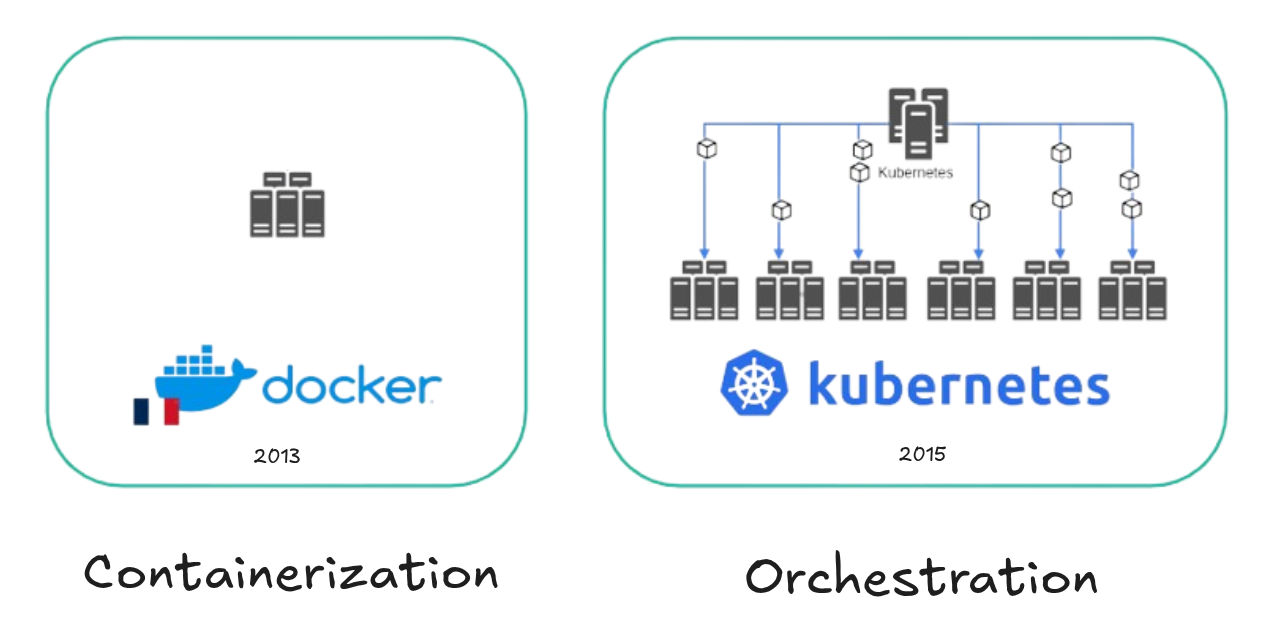
Infrastructure Evolution
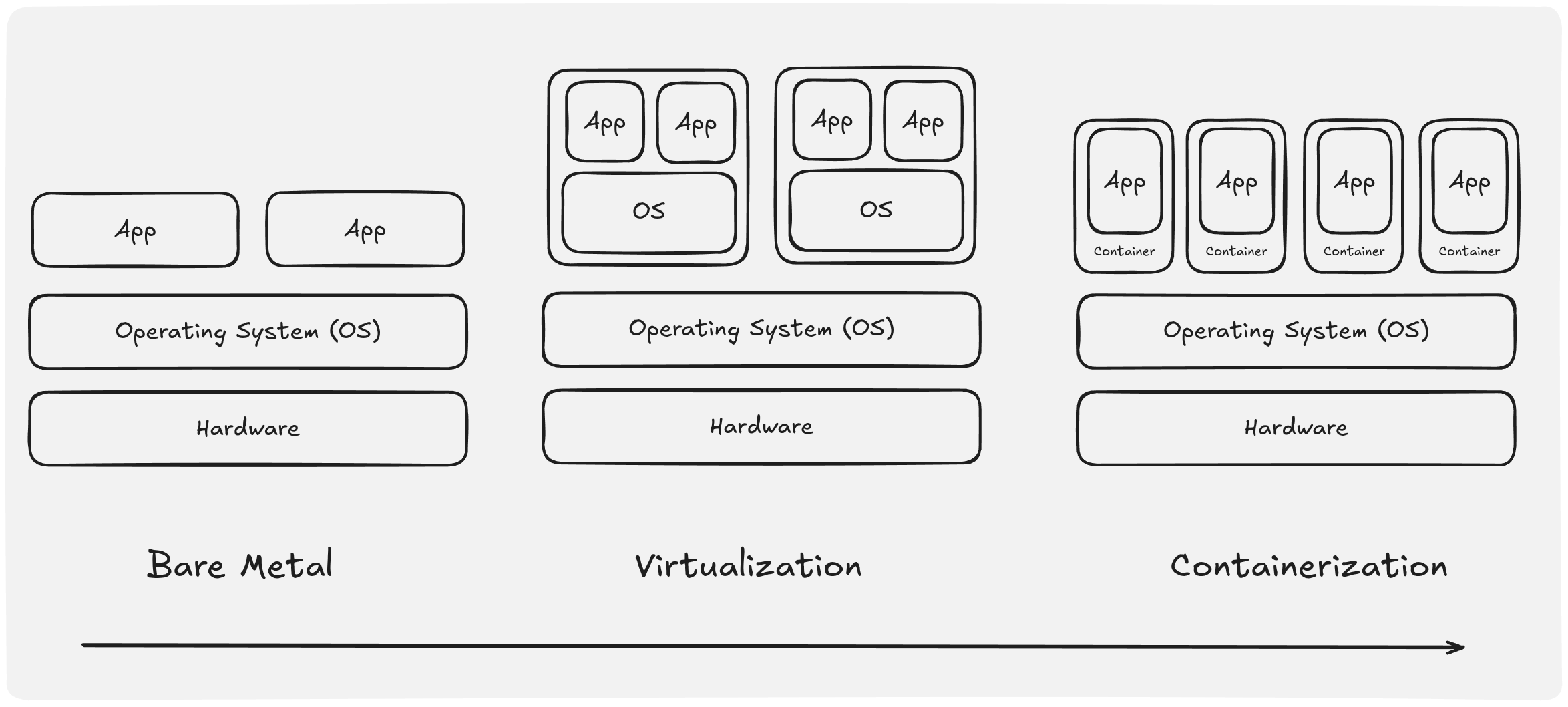
Key advantages of using Docker for microservices deployment:
- Isolation: Each microservice has its own environment and dependencies.
- Portability: Containers run identically on any system with Docker installed.
- Scalability: Services can be scaled independently according to demand.
- Faster Development: Developers can test and iterate on individual services without affecting the whole system.